Introduction:
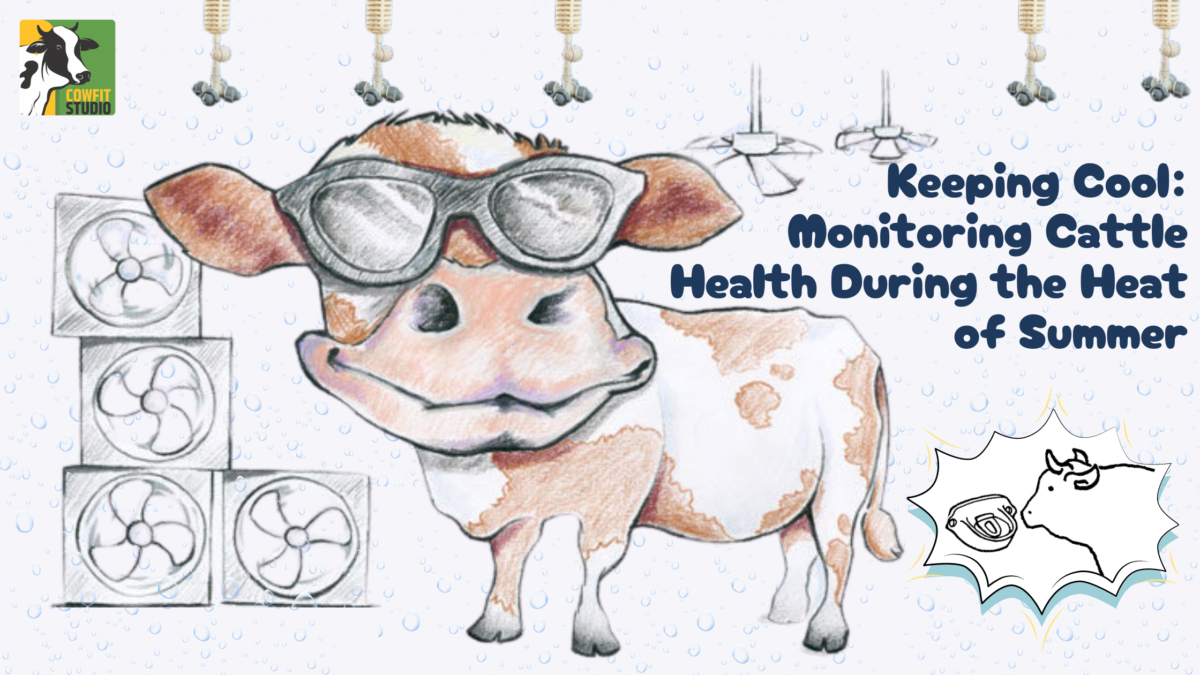
As the summer sun beats down relentlessly, it’s not just humans who feel the heat; our four-legged friends, particularly cattle, also struggle to cope. High temperatures can lead to heat stress in cattle, adversely affecting their health and productivity. However, with advancements in technology, there are now innovative solutions available to help mitigate the effects of summer heat on cattle. In this blog, we’ll explore the importance of monitoring cattle health during summer and the role of products like automatic water bowl and Foggers in cow shelters.
- Understanding Heat Stress in Cattle: Before delving into solutions, it’s crucial to understand the impact of heat stress on cattle. Cattle, like humans, have a thermoneutral zone, a temperature range within which they can maintain a stable body temperature without expending extra energy. Beyond this range, especially in hot and humid conditions, cattle can experience heat stress. This stress not only affects their comfort but also leads to reduced feed intake, decreased milk production, impaired reproductive performance, and even increased susceptibility to diseases.
- Monitoring Cattle Health: Regular monitoring of cattle health during the summer months is essential to identify signs of heat stress early on. This includes observing their behavior, respiratory rate, and feed intake. Additionally, monitoring body temperature can provide valuable insights into the extent of heat stress experienced by the animals. Identifying stressed animals promptly allows for intervention before their health deteriorates further.
- Introducing Water Bowl and Foggers: Automatic Water bowl and Foggers are innovative products designed to help alleviate heat stress in cattle shelters. These systems work by using water to cool the surrounding air, creating a more comfortable environment for the animals. Let’s explore how each of these products functions:
- Automatic Cattle Drinking Bowl: An automatic cattle drinking bowl is a modern solution designed to provide continuous access to fresh water for cattle without the need for manual intervention from the farmer. These innovative systems consist of a durable bowl equipped with sensors and valves, connected to a water supply source.
Here’s how it works: when a cow approaches the drinking bowl, the sensors detect its presence and activate the valve, allowing a controlled flow of water into the bowl. Once the cow has finished drinking and moves away, the sensors signal the valve to shut off, preventing water wastage
- Foggers: Foggers, also known as misters, release a fine mist of water into the air, creating a cooling fog. This fog helps to lower the temperature in the cattle shelter while also increasing humidity, which can be beneficial in arid regions where humidity levels are typically low. Foggers are ideal for providing localized cooling in specific areas of the shelter, such as feeding and resting areas, where cattle tend to congregate.
- Benefits of Using Water Bowl and Foggers: The use of Automatic water bowl and Foggers in cattle shelters offers several benefits:
- Improved Comfort: By reducing the ambient temperature and increasing humidity, these systems create a more comfortable environment for cattle, helping to alleviate heat stress.
- Increased Productivity: Cooler, more comfortable cattle are likely to exhibit better feed intake, milk production, and reproductive performance, ultimately leading to increased productivity.
- Healthier Animals: By preventing heat stress-related illnesses and reducing the risk of diseases associated with high temperatures, Automatic water bowl and Foggers contribute to overall herd health and welfare.
Conclusion:
As temperatures soar during the summer months, it’s essential to prioritize the health and well-being of cattle. Monitoring their health and implementing innovative solutions like automatic water bowl and foggers can help mitigate the effects of heat stress, ensuring that our bovine companions remain cool, comfortable, and productive even in the hottest of conditions. By investing in these technologies, farmers can safeguard their herds and promote sustainable livestock management practices.